


 Cycling apparel
CASTELLI ENDURANCE PRO JERSEY ↗
Cycling jersey with a riding cut; compare pocket layout, sleeve length and the precise fabric on the listing.
₹10,599

From a humid Mumbai long run to a Goa triathlon, a 600 km brevet or a technical descent. Find the Nuwod brands and models that make sense for the way you train in India.
Nandi Hills or Pune climbs combine low-speed climbing with faster descending. Compare a light Castelli jersey or Gambitt Scalata/Raptor with a vented Giro road helmet. A close race cut should feel comfortable in the position you can actually hold; add a descent layer when needed.
For 200–600 km BRMs, start with a pad and saddle combination already tested on long rides. Castelli Endurance 3 / Espresso / Premio and Gambitt Reckon are different fit and construction choices. Plan toilet stops, changing temperatures, independent refills, lights, navigation and repair access. Multi-day tours also need washing/drying and an alternate pad.
Use a cycling pack such as Chase Race where bottles are awkward. Giro Fixture and Bell Nomad address open-face trail use; Switchblade, Transfer and Sanction 2 are full-face comparisons for rules that require that coverage. Gambitt Steezy provides a relaxed MTB cut and knee-pad clearance. Confirm the actual certification and additional protection.
Aerohead is a TT-specific helmet; road racing, track bunch racing and track pursuit do not share one universal setup. Compare heat and visibility in your position. An FSA bar/stem must match width, clamp, routing and reach; compact geometry is not a tri extension. Confirm the event’s permitted equipment.
Compare Gambitt Jet, Iceberg, Lane Blazer and Tide Surfer on face seal, selected lens tint and visibility in the actual start light. A pool rehearsal and organiser-permitted open-water practice are different tests. Pack a tested spare pair; goggles provide no flotation.
Use a tri-specific Castelli suit or separate tri top/shorts rather than a bulky road pad. Short-sleeve and sleeveless constructions are choices to test wet. In Goa heat, compare an Aerohead with a vented Aries/Helios; a position-dependent aerodynamic shape has no universal time saving. Check cage access and rehearse nutrition in the aero position.
Decide in a brick session whether to put socks on in T1 or T2, or use separate calf sleeves with your preferred foot sock. A foldable CEP visor belongs in the run transition, while Gambitt’s race belt depends on bib rules. Rehearse waist seams, wet clothing, lacing and the first kilometres after the bike.
Goa 70.3 is 1.9 / 90 / 21.1 km. The cited Bergman Mysuru 102 format is 2 / 80 / 20 km; Olympic and sprint races differ again. Sea/lake/backwater conditions, drafting, wetsuit permissions, transitions and aid access belong to the edition’s athlete guide. Full-distance training is a separate profile.
The format combines eight 1 km runs with eight workout stations. Test your shoes and socks through running, rowing, carries, lunges and sled work rather than through a standalone jog. CEP Training or mid-cut running socks and Gambitt Distance are comparisons for fit and cuff preference.
CEP Performance Shorts provide a running/training construction; Gambitt Dri-Tech or Ultralight headbands manage hair and sweat. Check waistband movement in squats and lunges, fabric contact at the thighs, and shoulder freedom for stations. Use a familiar training top where the catalogue does not offer a verified fit for you.
A road-cycling chamois, TT helmet, goggles and large hydration vest do not belong in a routine indoor kit. Compression arm/forearm wear is optional and should be movement-tested; support sleeves are not standard race upgrades. Check the current division and equipment rules.
Delhi and Mumbai editions are useful indoor race contexts, labelled by date in the event directory. Venue heat, holding-area time, travel and access to water still affect comfort. Bring a change of clothes and your usual warm-up layer; plan recovery through rest and food rather than a mandatory accessory bundle.
For Mumbai, Chennai or Goa training, compare the lighter knit with the cushion feel you prefer in your actual shoe. CEP and Gambitt offer different cuff heights. A cap/visor adds shade; a headband manages hair and sweat. Carry fluid according to your route rather than automatically adding a vest to every road race.
For Malnad or permitted Western Ghats trails, running-vest fit, mandatory kit volume and the longest refill gap matter. A cushioned sock must leave room in the trail shoe; a tall sock adds coverage but no traction. Check the published ascent and whether your category extends into darkness.
Supported loops need dry sock rotations, shoe space, night/day layers and an organised support point. A large pack can be unnecessary when supplies are accessible each lap. The 48-hour entry here is a training profile, not a claim that a particular Indian race is accepting entries.
Track intervals favour movement and low bulk. Ladakh contexts additionally require the organiser’s altitude, clothing and medical arrangements. Recovery garments are optional post-session comfort products; Ortho supports require individual suitability rather than being added to every runner’s kit.
Enter your sport, location, distance, conditions, budget and equipment you already own. Or choose an Indian event as a starting point, then tailor the suggestions.
Jersey ventilation, a well-fitting padded short and a stable helmet matter over repeated training hours. A bottle you can drink from easily keeps the carrying system simple. A handlebar change should follow a fit assessment, not a brand-only upgrade.
No ordinary road component is automatically a track or downhill component. Check width, reach, clamp and torque specifications. Ride the helmet in the posture and eyewear you actually use.
Men’s and women’s alternatives may appear together. These are choices to compare, not a list of everything you must buy.
Cycling apparelCycling jersey with a riding cut; compare pocket layout, sleeve length and the precise fabric on the listing.
₹10,599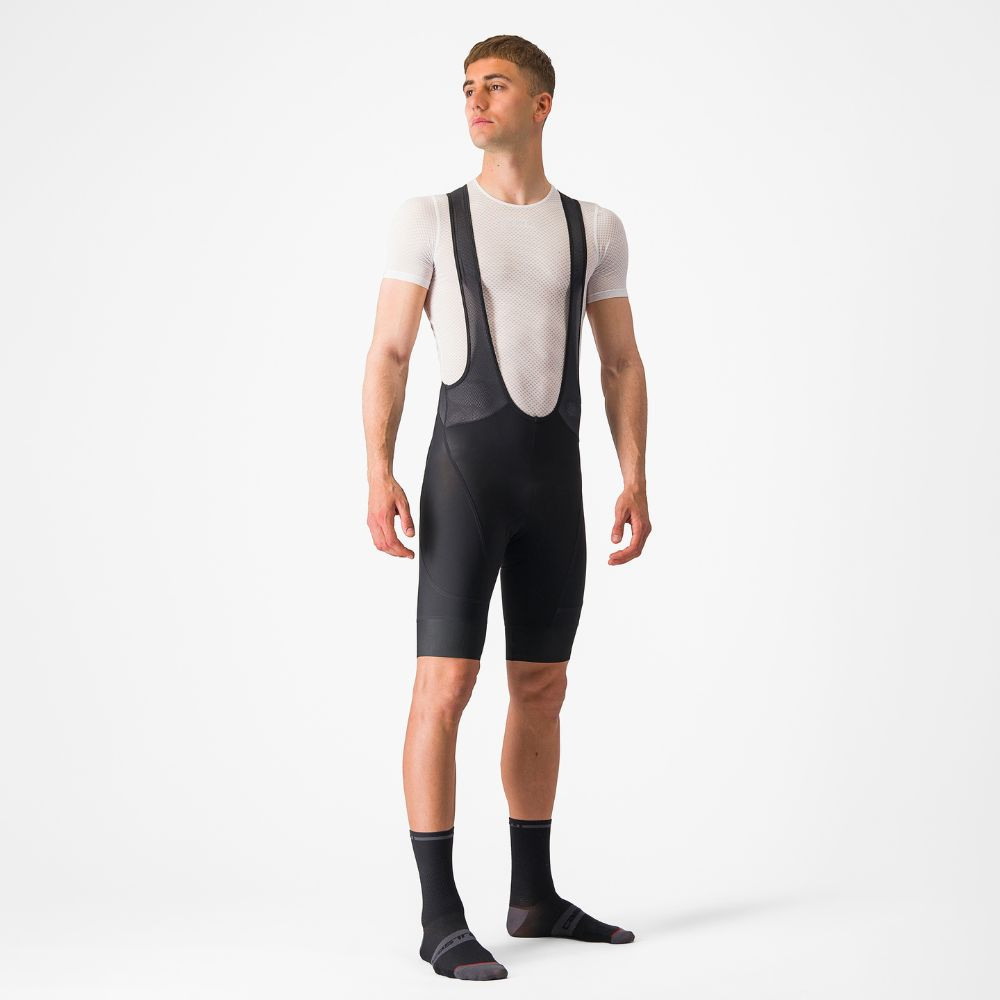 Cycling apparel
Cycling lower-body apparel designed around saddle time and a cycling fit.
₹13,999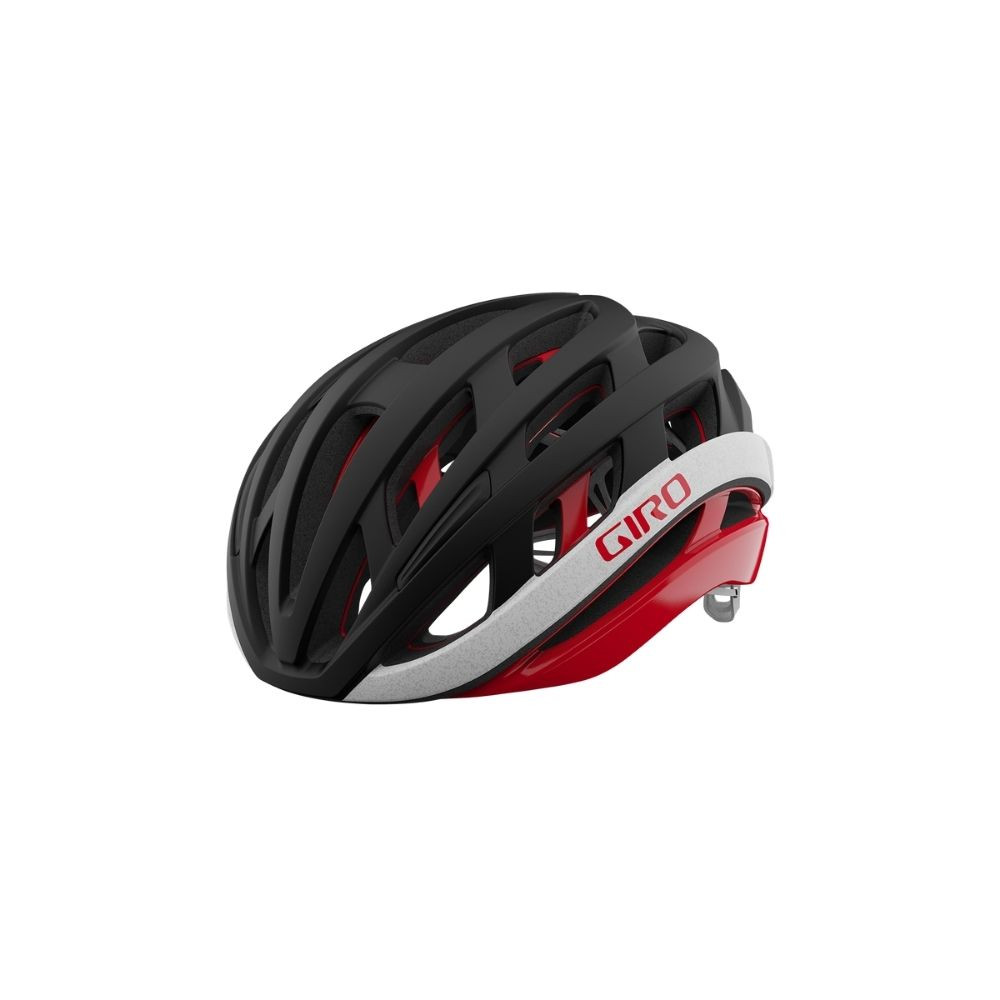 Cycling helmets
Spherical construction with Mips in this local listing; compare ventilation and fit for your riding position.
₹22,999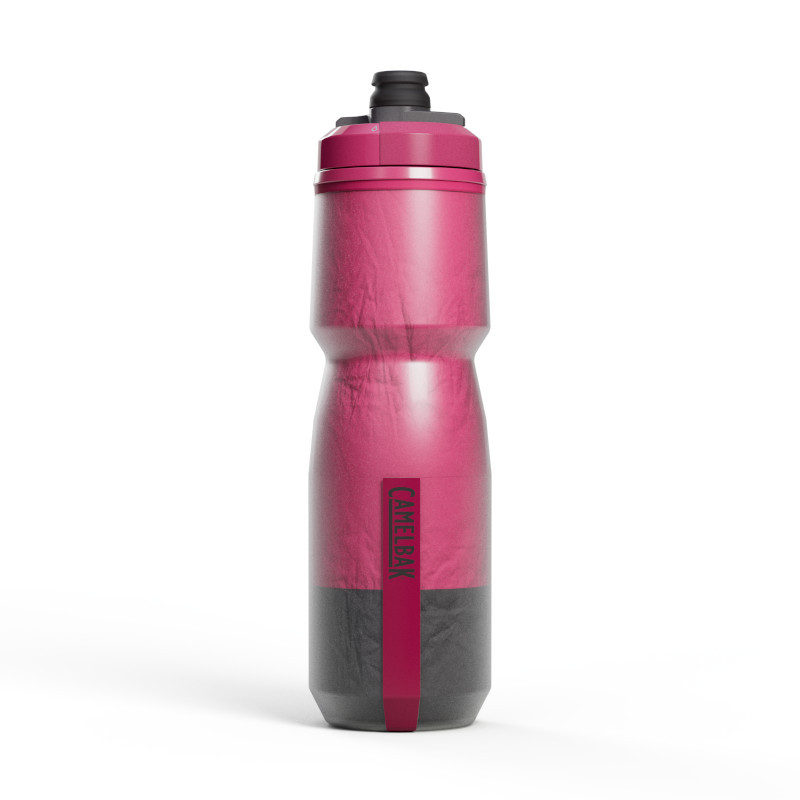 Hydration
Double-wall Podium Chill cycling bottle in the labelled capacity.
₹1,999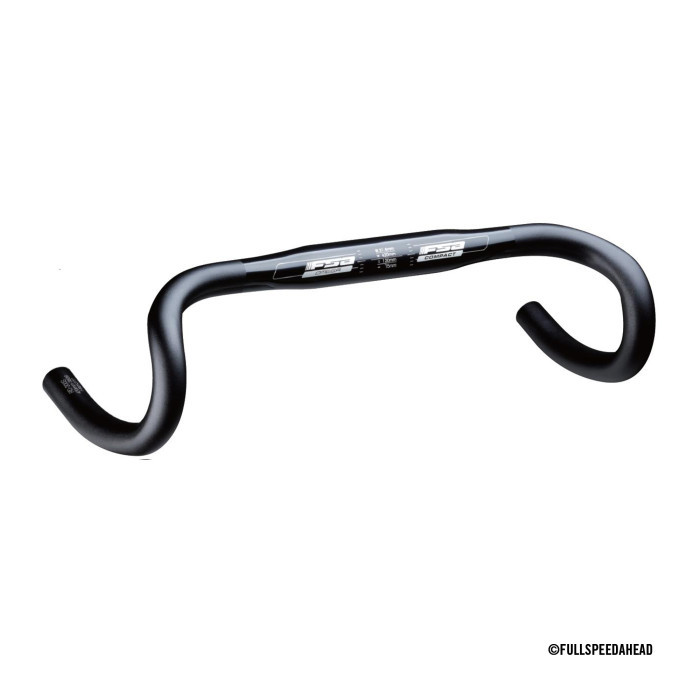 Bike components
Omega alloy compact bar: official range specifies a 31.8 mm clamp, 75 mm reach and 120 mm drop; verify the listed width/version.
₹5,499Hydration belongs in every activity plan.* Use your existing bottle or venue water access where suitable, and compare carrying capacity with the calculator below. Buying a new container is optional.
Use the longest dependable interval between water stops, rather than the full race distance. Enter your own tested drinking plan and compare it with the bottles or vest you will actually carry.
* Hydration amounts and carrying capacities shown are suggestions only. Drink water according to your own requirements and conditions. The starting values are an example, and the calculated amount or extra allowance is not a target you must consume.
Cycling: compare bottle sizes, cage fit and access while riding. Two 0.7 L bottles hold 1.4 L nominally. MTB riders may prefer a secure cycling pack.
Between refills: 2 h × 0.5 L/h = 1.00 L.
Extra allowance: 0% = 0.00 L; total 1.00 L.
Your current capacity: 1.00 L. Enough for the entered plan; 0.00 L capacity remains.
Container comparison: 2 × 0.7 L = 1.40 L nominally for the whole plan. No extra container needed for the entered capacity.
Confirm usable volume, carrying stability, access while moving and the next dependable refill.
A hot downhill race still needs downhill protection. A humid triathlon still needs swim-bike-run clothing. Your discipline sets the equipment; weather, terrain and distance refine it.
Pune road rides · Nandi Hills · Audax BRMs
Start with Castelli or Gambitt cycling apparel, a fitted Giro road helmet and CamelBak bike bottles. For brevets and ultras, rehearse your pad, saddle and pocket access over long hours.
Heat: lighter jersey. Rain: accessible layer. Cold descents: thermal or wind coverage.
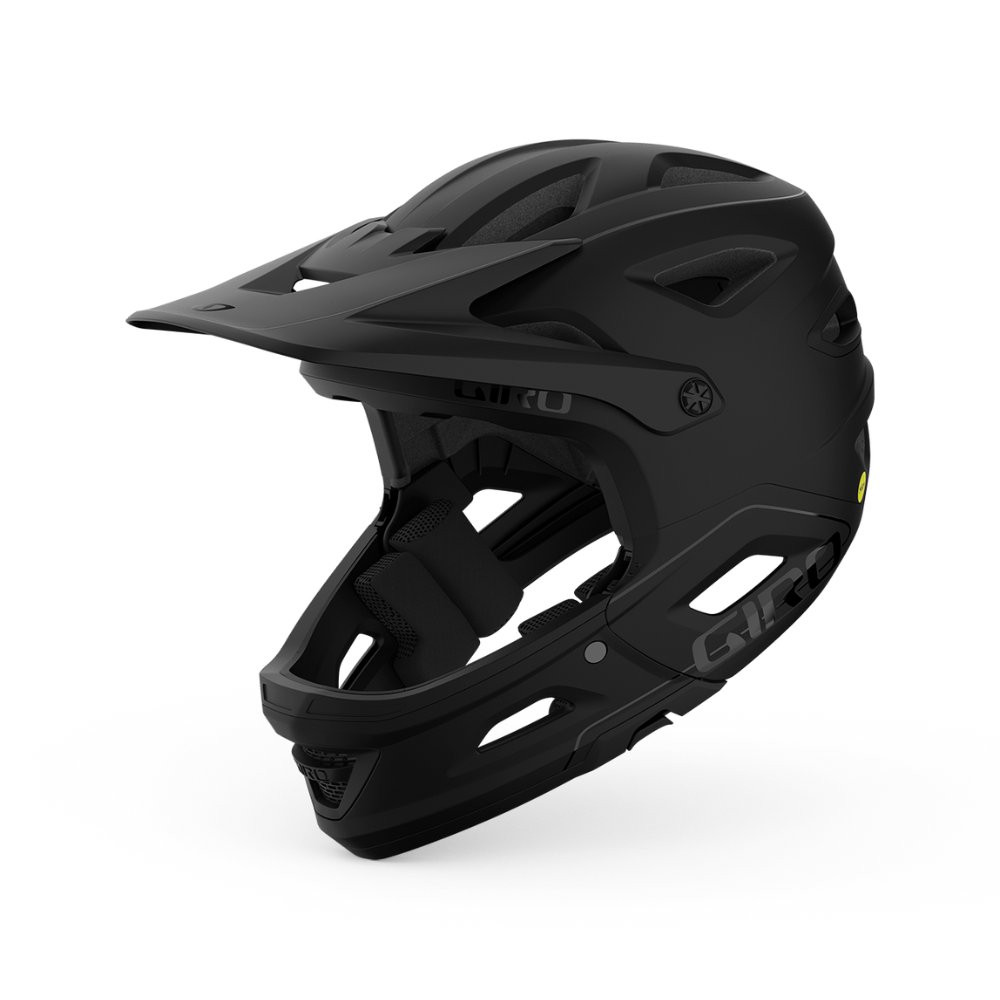
Avathi XC · Shimla MTB · Tawang enduro
XC and gravity are separate riding disciplines. Compare Giro or Bell trail helmets for XC; choose the required full-face certification for downhill and enduro. Gambitt MTB clothing offers a relaxed riding cut.
Weather changes layers and grip conditions; protection follows the riding discipline and course rules.
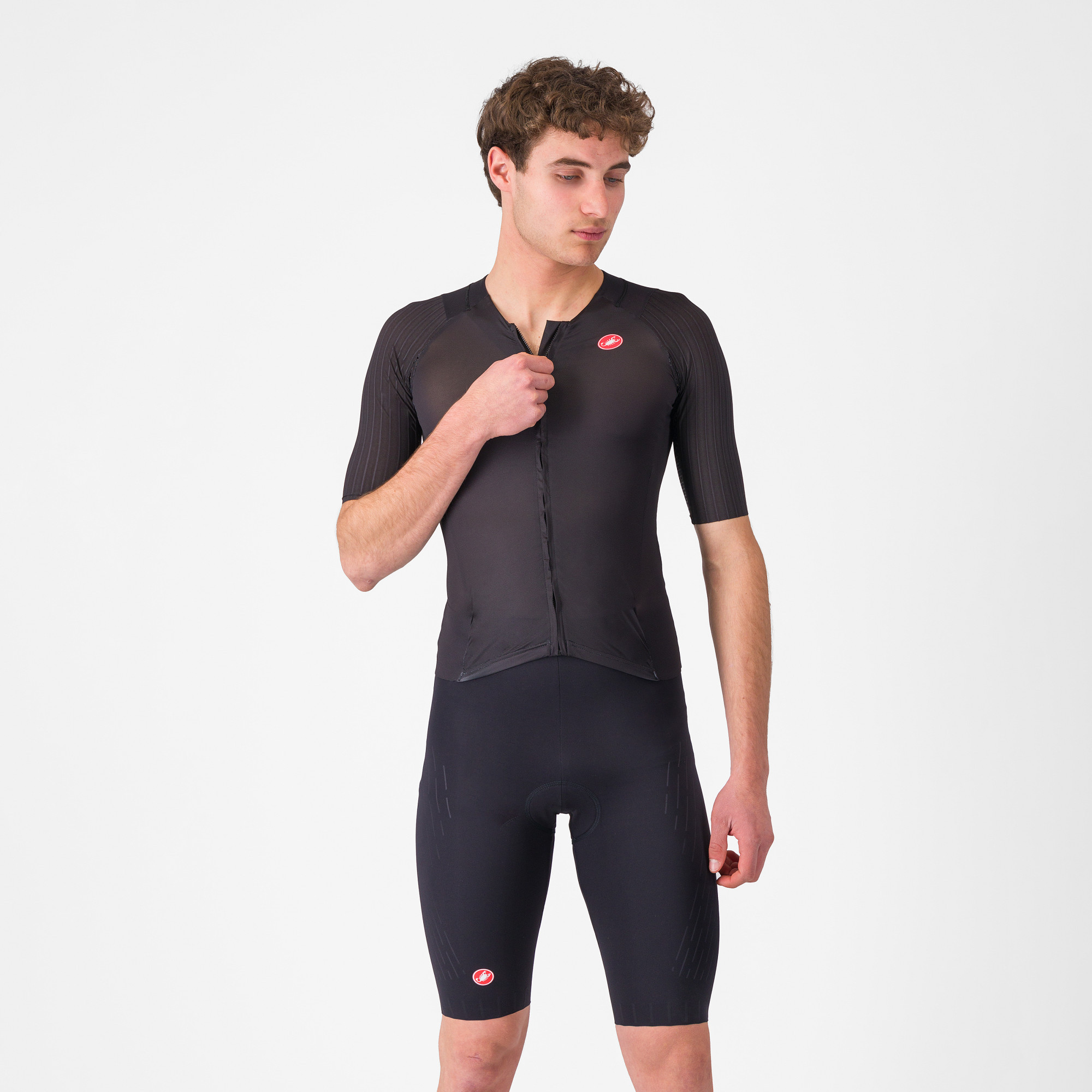
Goa · Mysuru · Thrissur
Castelli tri clothing, Gambitt swim goggles and a fitted Giro bike helmet form a swim-bike-run kit. Rehearse wet transitions and choose bike bottles you can reach in your riding position.
Heat adjusts sleeve preference and helmet ventilation. Water and race rules decide swim accessories.
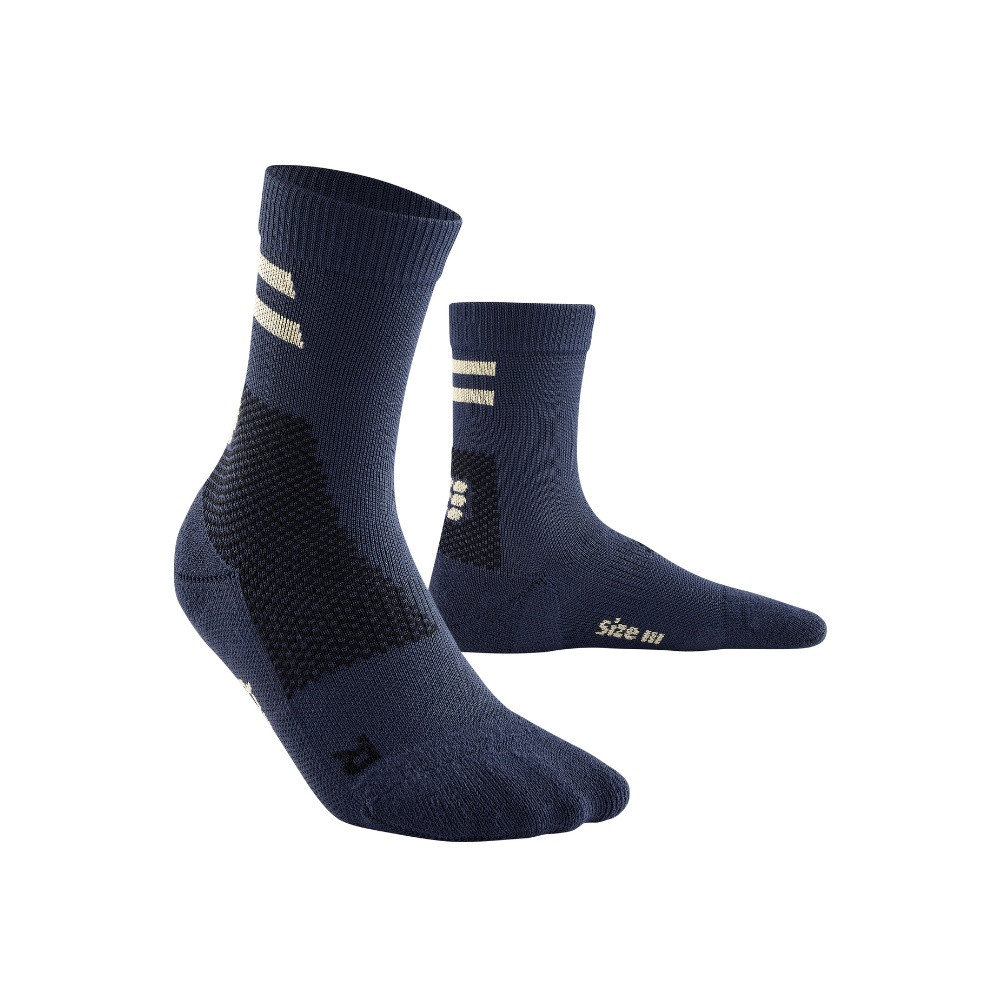
Noida · Bengaluru · Gujarat · local gyms
CEP Training or Gambitt socks, flexible shorts and sweat headwear support running and station movements. Test the same outfit through lunges, carries, rowing and sled work.
Venue temperature affects fabric and warm-up layers; the kit remains built for functional movement.
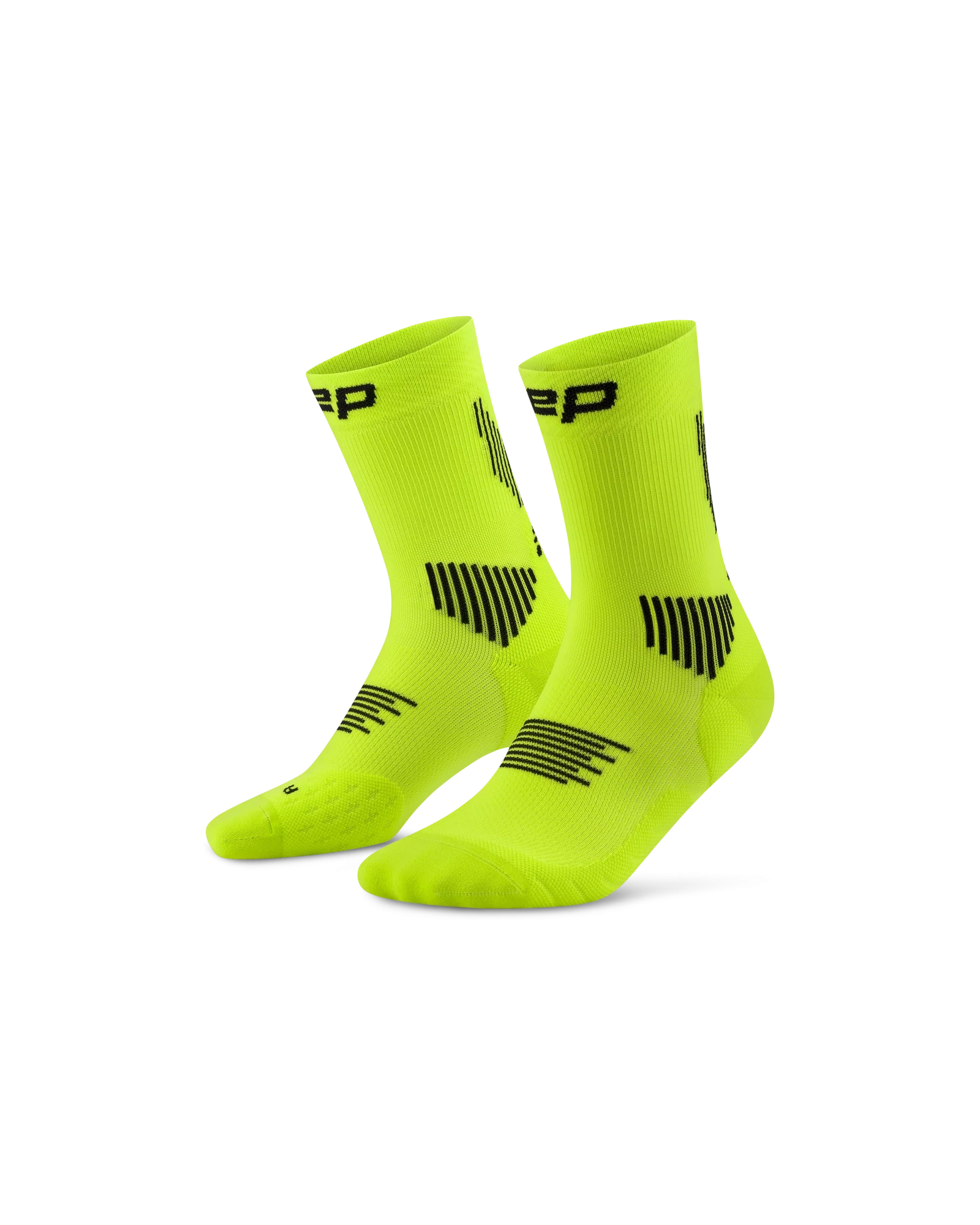
Mumbai roads · Delhi stadium loops
Compare CEP and Gambitt socks in your actual running shoes, then choose running shorts and headwear. Supported track loops favour accessible supplies and dry changes rather than a large pack.
Heat: shade and light fabrics. Night: active lights where required. Cold starts: removable layers.
Malnad · Solang · Coorg · Jawadhu Hills
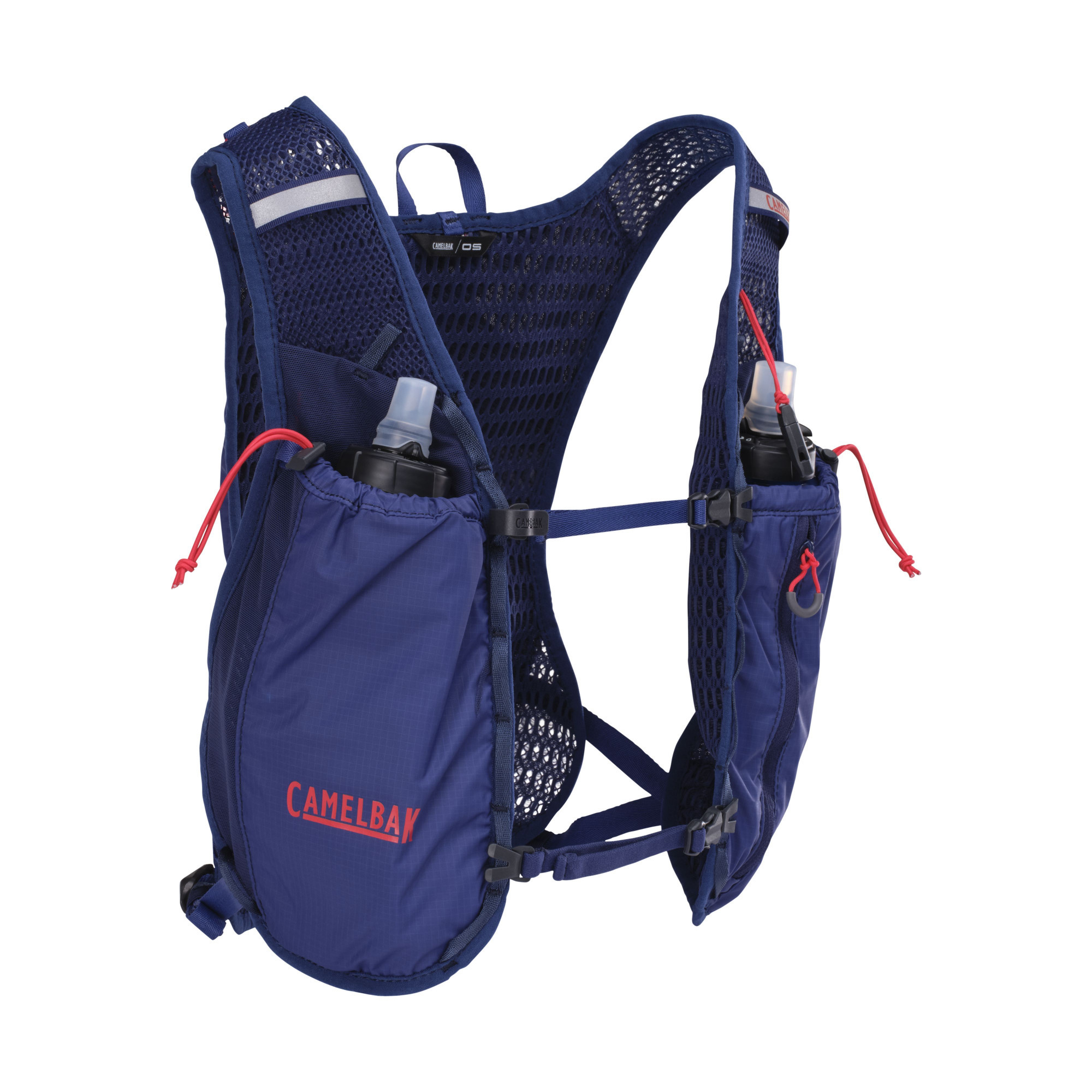
A CamelBak running vest differs from a cycling pack. Choose sock cushion around trail-shoe space, and storage around mandatory equipment and the longest aid gap.
Rain and exposure adjust layers; trail traction, compulsory kit and vest fit remain course-specific.
Use the kit planner for your exact discipline, distance and budget. Check your route forecast and the event’s required equipment before you train or race.
Explore event locations, distances and relevant kit. Open the organiser link for the final course and entry details.
Marathons, trail ultras, timed runs, triathlons, HYROX, road cycling, XC and Audax. Select the specific distance scenario where an event offers several very different courses.
Choose your category and distance, then tailor your kit. Check the organiser’s course, aid points and required equipment before race day. Past editions are shown as course profiles.
54 / 28 km races; 10 km Green Ride
Official page differs from some local listings. MTB road race is still on-road; podium equipment restrictions apply.
Event edition · Official
Contact points, ventilation and reliable hydration
Approximately 3.4 km loop · category-specific laps
Off-road cross-country. Different kit priority from HCL’s on-road MTB category.
Event edition · Official
Trail coverage and hydration that stays put
Edition-specific distance
Road-racing and climbing profile. Confirm current course rather than reusing a historical Nandi distance.
Series / discipline profile · Series profile
Low-speed airflow, comfortable climbing and refills
Edition-specific distance
Individual time-trial profile; use the current event equipment and route instructions.
Series / discipline profile · Series profile
Position-specific aerodynamics and heat management
200 / 300 / 400 / 600 km
Non-competitive long-distance riding. Select the local club and route to assess terrain, controls and darkness.
Series / discipline profile · Official rules
Saddle comfort, visibility and self-sufficiency
December 2026 · confirm itinerary
Multi-day road touring with climbing and varied temperatures. Official pages have differing timing cues; use the final itinerary.
Series / discipline profile · Official · itinerary check
Repeated saddle hours and changes between stages
Event-specific laps / distance
Track discipline profile, not an open registration listing. Confirm state/federation entry and equipment requirements.
Series / discipline profile · Discipline profile
Event rules, stable fit and track-specific equipment
643 km · solo / relay
Ultra road cycling through the Sahyadris. Rehearse long-duration bib comfort, bottle access and changing layers; support arrangements differ between categories.
Event edition · Event edition
Repeated saddle hours and changes between stages
444 km · staged self-supported ride
High-altitude road cycling over multiple stages. Plan acclimatisation, repeated saddle days and accessible thermal layers.
Past edition / course profile · Event edition
Repeated saddle hours and changes between stages
600 km ultra cycling
Long mountain road effort with altitude and cold exposure. Compare endurance bibs, cycling bottles and layered clothing; confirm crew rules.
Past edition / course profile · Event edition
Repeated saddle hours and changes between stages
1,200 / 1,750 km course profiles
Multi-day ultra road cycling. Alternate tested pads, mechanical reliability, support logistics and refill access shape the kit. Confirm the next edition.
Series / discipline profile · Course profile · confirm edition
Repeated saddle hours and changes between stages
Short / long ultra courses · confirm final distances
Desert road ultra. Day-to-night layers and crew/refill access are central; confirm the short-course length in the final guide.
Event edition · Event edition
Repeated saddle hours and changes between stages
Timed downhill stages with linking climbs
Enduro-specific kit: full-face helmet, required body protection and relaxed MTB clothing. Technical stages require different protection from a road climb.
Series / discipline profile · Course profile · confirm edition
Discipline-appropriate head and body protection
Downhill · category-specific course
Gravity racing: compare Bell or Giro full-face models against the organiser’s exact certification requirements, with goggles and body protection. Confirm the edition.
Series / discipline profile · Course profile · confirm edition
Discipline-appropriate head and body protection
Downhill category / state trials
State-level downhill profile. Full-face coverage and required protection take priority; federation eligibility and technical course rules apply.
Past edition / course profile · Event edition
Discipline-appropriate head and body protection
Cross-country category / state trials
XC effort with climbing and technical descending. Compare trail helmets, MTB clothing and cycling hydration; follow category-specific rules.
Past edition / course profile · Event edition
Trail coverage and hydration that stays put
Multi-day MTB · confirm category route
Mountain biking with city-to-trail terrain. Test helmet fit, pack stability and layers through climbing and descending.
Event edition · Event edition
Trail coverage and hydration that stays put
Expedition / stage mountain biking
Multi-stage MTB with forest, rock, mud and gravel. Compare cycling hydration and durable clothing; technical protection and support needs follow the stage guide.
Series / discipline profile · Course profile · confirm edition
Trail coverage and hydration that stays put
1.9 km swim · 90 km bike · 21.1 km run
Coastal triathlon profile. Prioritise a suit and helmet you have tested through a warm brick session.
Event edition · Official registration
Bike comfort plus a workable hot run
2 km swim · 80 km bike · 20 km run
Historical 2026 edition. Dam-backwater swimming and a rolling bike/run profile.
Past edition / course profile · Historical edition
Bike comfort plus a workable hot run
1.5 km swim · 40 km bike · 10 km run
Historical 2026 edition. Shorter race than Bergman 102; fit and transitions still deserve rehearsal.
Past edition / course profile · Historical edition
One suit, tested goggles and simple transitions
Check exact edition and distance
Bergman courses differ by venue. Use the live official directory for water type, bike profile and final route.
Series / discipline profile · Series profile
Bike comfort plus a workable hot run
Sprint 0.75/20/5 km; Olympic 1.5/40/10 km
Local listing reports a lake-based race near Bengaluru. Secondary listing: confirm directly before travel. BFM searches may refer to BMF.
Event edition · Local listing · confirm
One suit, tested goggles and simple transitions
Olympic / 5150 profile
Historical 2026 athlete guide. Check the next edition and venue-specific swim and bike rules.
Past edition / course profile · Historical edition
One suit, tested goggles and simple transitions
Sprint category · confirm final leg distances
Open-water swim followed by bike and run. Rehearse goggle seal, tri clothing and transitions; bike traffic and self-supported repairs need planning.
Event edition · Event edition
One suit, tested goggles and simple transitions
Olympic category · confirm final leg distances
Tri-specific clothing, a comfortable helmet and accessible bike bottles. Test wet seams and socks in a brick session before selecting the kit.
Event edition · Event edition
One suit, tested goggles and simple transitions
48 Miles category
Longer bike/run comfort and reliable hydration access matter. Compare Castelli tri suits, Gambitt goggles and a heat-tested Giro helmet.
Event edition · Event edition
Bike comfort plus a workable hot run
Sprint / standard triathlon · edition-specific
Coastal multisport festival also featuring aquathlon and duathlon. Select the triathlon category before adding swim or bike kit; confirm the venue and course.
Series / discipline profile · Course profile · confirm edition
One suit, tested goggles and simple transitions
8 × 1 km runs + 8 workout stations
Historical 24–26 July 2026 edition listed by HYROX India. Indoor hybrid racing, not a triathlon.
Past edition / course profile · Historical edition
Running-shoe fit and free movement across stations
8 × 1 km runs + 8 workout stations
Historical 17–20 September 2026 edition. Test shoes and socks during both running and station practice.
Past edition / course profile · Historical edition
Running-shoe fit and free movement across stations
8 × 1 km runs + 8 workout stations
Indoor fitness race. Compare movement-tested shorts, smooth sock fit and sweat headwear; division-specific loads and footwear rules apply.
Event edition · Event edition
Running-shoe fit and free movement across stations
8 × 1 km runs + 8 workout stations
Run-to-station transitions require a stable waistband and familiar shoes/socks. Choose training clothing rather than cycling pads or a large running vest.
Event edition · Event edition
Running-shoe fit and free movement across stations
8 × 1 km runs + 8 workout stations
Functional-station and running kit for an indoor race. Test lunges, carries, rowing and sled work in the same outfit; check the final venue guide.
Event edition · Event edition
Running-shoe fit and free movement across stations
Multi-stage elimination fitness race
An independent fitness format with its own rules, distinct from HYROX. Flexible shorts, stable socks and sweat headwear suit mixed movements.
Past edition / course profile · Event edition
Running-shoe fit and free movement across stations
42.195 km; half marathon; Open 10K
Road running with a coastal city setting. Final 2027 route/start details were still being updated.
Event edition · Official
Foot fit, light layers and a rehearsed fluid plan
21.097 km; Open 10K
Road race. Plan clothing for your wave and check race-week weather and air-quality advisories.
Event edition · Official
Foot fit, light layers and a rehearsed fluid plan
10 km
Recurring city road race. Current pages mix 2026 and 2027 references; confirm the edition before booking.
Series / discipline profile · Edition check
Breathability before extra coverage
25 km; Open 10K
Urban road running; a longer effort than a half marathon even when the morning feels mild.
Event edition · Official
Foot fit, light layers and a rehearsed fluid plan
See current race categories
Coastal road-running profile. Prefer a rehearsed light kit and check the current organiser course guide.
Series / discipline profile · Recurring profile
Breathability before extra coverage
30 km · +951 m ascent
Trail terrain with climbs and descents; organiser lists a 6-hour limit. Categories may already be closed.
Event edition · Official
Stable carrying, shoe volume and changes in weather
50 km · +1,705 m ascent
Day trail ultra; organiser lists a 10-hour limit. Test carrying and foot comfort on comparable hills.
Event edition · Official
Refill intervals, wet feet and long-duration comfort
50 km · +1,705 m ascent
Night trail ultra; organiser lists an 11-hour limit. Night lighting and compulsory gear are separate essentials.
Event edition · Official
Refill intervals, wet feet and long-duration comfort
100 km · +3,410 m ascent
Long trail effort; organiser lists a 21-hour limit. Carry enough for the longest unsupported section.
Event edition · Official
Refill intervals, wet feet and long-duration comfort
42.195 km; half marathon; shorter categories
Historical 2026 edition. High-altitude road running requires the organiser’s acclimatisation plan.
Past edition / course profile · Historical edition
Layers, acclimatisation and compulsory equipment
72 km
Historical 2026 edition. Long ascent and descent with exposed high-altitude conditions.
Past edition / course profile · Historical edition
Layers, acclimatisation and compulsory equipment
122 km
Historical 2026 edition. Overnight mountain road ultra; plan compulsory warmth and light.
Past edition / course profile · Historical edition
Layers, acclimatisation and compulsory equipment
24h; 100 km; 12h; 6h; 3h; 1h
Historical 7–8 March 2026 edition. Synthetic-track loops with organiser-set support and eligibility rules.
Past edition / course profile · Historical edition
Repeated foot checks and day-to-night changes
See current duration categories
Recurring loop-running profile. Do not assume 48-hour entries exist for a particular edition.
Series / discipline profile · Recurring profile
Repeated foot checks and day-to-night changes
Depends on venue and edition
The organiser runs events across very different terrains. Choose a venue before assuming trail, road or altitude conditions.
Series / discipline profile · Series profile
Stable carrying, shoe volume and changes in weather
Approximately 10 km · 3 laps
Local organiser describes a roughly 3.4 km trail circuit. Use the latest course briefing.
Event edition · Official
Stable carrying, shoe volume and changes in weather
14 / 30 km mountain trails
Technical mountain trails and stream crossings. Choose tested trail-shoe/sock fit, a stable vest where required and accessible layers.
Event edition · Event edition
Stable carrying, shoe volume and changes in weather
60 / 100 km mountain ultras
Long technical trails with altitude, ascent and weather changes. Running-vest storage, mandatory kit, lighting and refill gaps shape the carrying system.
Event edition · Event edition
Refill intervals, wet feet and long-duration comfort
12 / 30 / 65 km mountain trails
Forest and mountain trail categories. Select your distance, then test sock cushion and vest stability on comparable climbs and descents.
Series / discipline profile · Course profile · confirm edition
Refill intervals, wet feet and long-duration comfort
50 km / 100 km / 100 miles
Desert road ultra. Plan night layers, shade, foot changes and the longest refill gap; a desert setting does not make this a technical trail race.
Event edition · Event edition
Long road mileage, support access and day-to-night comfort
50 km / 100 km / 100 miles / 135 miles
Predominantly paved desert running over long day/night exposure. Compare breathable clothing, shade and a carrying system suited to published aid gaps.
Event edition · Event edition
Long road mileage, support access and day-to-night comfort
15 / 30 / 50 / 60 / 75 / 90 km
Hilly road running rather than a technical trail race. Choose road-shoe sock fit, descent comfort, layers and carrying for your selected distance.
Event edition · Event edition
Long road mileage, support access and day-to-night comfort
60 km trail profile · confirm other categories
Coffee estates and Shola trails in the Shevaroy Hills. Compare running-vest fit and sock cushion with your trail shoes; confirm ascent and mandatory kit.
Series / discipline profile · Course profile · confirm edition
Refill intervals, wet feet and long-duration comfort
Approximately 30 km trail run
Grassland and hill trails. The organiser describes a shorter trail format without an ultra category for this edition. Test footwear, vest and wet-weather layers.
Event edition · Event edition
Stable carrying, shoe volume and changes in weather
5 / 10 / 20 / 30 / 50 / 80 / 100 / 161 / 220 km
Forest loop running with support access. Longer categories need day/night clothing and dry sock rotations; short categories may need minimal carrying.
Past edition / course profile · Event edition
Refill intervals, wet feet and long-duration comfort
5 / 10 / 21.1 / 42.2 km
River-side trail-running profile. Select the actual distance and aid access before deciding between a handheld, belt and vest.
Series / discipline profile · Course profile · confirm edition
Stable carrying, shoe volume and changes in weather
11 / 35 / 65 km · confirm edition
Estate and hill trails; compare shoe volume, running-vest storage and rain layers for your category.
Series / discipline profile · Local directory · confirm organiser
Refill intervals, wet feet and long-duration comfort
10 / 15 / 20 / 30 km · confirm edition
Mountain running: altitude, ascent and mandatory layers require a course-specific plan alongside socks and hydration.
Series / discipline profile · Local directory · confirm organiser
Layers, acclimatisation and compulsory equipment
20 / 30 / 50 / 80 / 100 / 160 / 200 km · confirm edition
Long trail and loop categories. Support-point access determines carrying; prepare dry sock changes and lighting for overnight distances.
Series / discipline profile · Local directory · confirm organiser
Refill intervals, wet feet and long-duration comfort
16 / 32 / 50 km · confirm edition
Trail-running profile near Chennai. Choose trail-shoe fit and fluid access for the category, then adjust clothing to heat or rain.
Series / discipline profile · Local directory · confirm organiser
Refill intervals, wet feet and long-duration comfort
25 / 50 / 85 km · confirm edition
Hill trails: test downhill sock comfort, a loaded running vest and accessible layers. Confirm route, ascent and compulsory equipment.
Series / discipline profile · Local directory · confirm organiser
Refill intervals, wet feet and long-duration comfort
10 / 25 / 50 / 100 km · confirm edition
Eastern Ghats trails. Match your category to aid gaps and mandatory storage; short-distance runners need a different carrying plan from 100 km entrants.
Series / discipline profile · Local directory · confirm organiser
Refill intervals, wet feet and long-duration comfort
Fort-to-fort trail categories · confirm edition
Western Ghats climbs and technical descents. Running-vest security and shoe space matter; follow route access, lighting and compulsory-kit instructions.
Series / discipline profile · Course profile · confirm edition
Refill intervals, wet feet and long-duration comfort
| Discipline / distance | What decides the kit | Products to compare | Important distinction |
|---|---|---|---|
| Running 5K / 10K | Smooth sock fit; light clothing; warm-up layer as needed. | No-show / low-cut / mid-cut CEP or Gambitt; optional cap/headband. | A hydration vest is not automatically needed for a short supported road race. |
| Half marathon / marathon | Foot swelling, friction, heat and aid-station access. | CEP The Run or Ultralight; cap/visor; training-specific handheld or belt. | Choose by the shoe-and-sock rehearsal, not distance alone. |
| Trail 30–100 km / mountain ultra | Terrain, climbing, aid gaps, weather and mandatory kit. | CEP tested mid-cut or tall option; running vest; accessible cap and extra layers. | Trail shoes, headlamp, emergency gear and organiser kit are additional essentials. |
| 24 / 48-hour running | Repeated laps, night/day changes, foot care and support. | Multiple tested socks, comfort layers and optional recovery wear after the session. | Plan changes with your support team; no sock gives an uninterrupted-hour guarantee. |
| Road cycling / race / endurance | Saddle fit, pad construction, head fit and refills. | Castelli or Gambitt cycling apparel; Giro road helmet; CamelBak bottles. | A race fit and an endurance fit are choices to test, not rankings for every rider. |
| BRM 200 / 300 / 400 / 600 km | Controls, night riding, independent refills and changing weather. | Tested endurance bib, bottles/pack if needed, rain/thermal layer; supplementary reflectives. | Official lights/reflectives and event rules remain mandatory. Audax time limits vary with distance. |
| Ultra cycling / stage tours | Repeated saddle days, repair access and temperature changes. | Alternate tested pads, appropriate layers, compatible components and route-based hydration. | Bike fit, sleep/support plans and mechanical reliability outweigh a logo alone. |
| Gravel / XC / downhill | Choose equipment for actual technical risk and rules. | Gravel/XC: appropriate open-face helmet and hydration; downhill: suitable full-face and additional protection. | Do not transfer a road recommendation to downhill. Verify course certification requirements. |
| Track cycling / time trial | Body position, event rules, ventilation and permitted kit. | Road or TT helmet suited to the actual event; close-fit apparel; fit-compatible cockpit. | Track sprint, pursuit and bunch racing need different setups. A TT helmet does not suit every track event. |
| Sprint / Olympic triathlon | Typically 750 m / 20 km / 5 km or 1.5 km / 40 km / 10 km. | Tri-specific Castelli garment; Gambitt goggles/belt; helmet, bike bottles and optional run socks. | Actual race formats vary. Confirm transitions, drafting, wetsuit and bib rules. |
| 70.3 / long-course / full distance | 70.3: 1.9 / 90 / 21.1 km; full-distance convention: 3.8 / 180 / 42.2 km. | Long-course tri garment; heat-tested helmet; accessible bottles and run comfort strategy. | Bergman 102 has its own format. A full-distance profile does not announce an Indian IRONMAN race. |
| HYROX / fitness racing | HYROX format combines eight 1 km runs and eight workout stations. | CEP Training / running sock; movement-tested shorts and sweat headband. | Division, loads, shoes and venue rules differ. This guide does not sell a full mandatory HYROX kit. |
Foot fit, light layers and a rehearsed fluid plan
Start with a sock that sits smoothly in your running shoe. Mid-cut coverage works for daily kilometres; choose an ultralight version when heat outweighs cushioning. A cap or headband manages sun or sweat. Carry fluid only when your training route or the race rules make it useful.
Marathon training and race day can need different carrying systems. Rehearse shoes, socks, underarm seams and the aid-station plan before the taper.
Compare alternatives in your listed fit; this list includes choices and optional items.
Breathability before extra coverage
For a humid morning in Mumbai, Chennai or Goa, weigh sock thickness and covered skin against comfort. A visor leaves the crown open; calf sleeves let you keep your preferred foot sock. A small belt suits a route with reliable refills.
Cooling fabrics still depend on air movement and evaporation. A short loop near water access may need less equipment than a longer remote run. Do not interpret garment temperature ranges as permission to exercise in dangerous heat.
Compare alternatives in your listed fit; this list includes choices and optional items.
Stable carrying, shoe volume and changes in weather
Uneven ground means more foot movement and more opportunities for rubbing. Compare the cushioning sock with your trail-shoe volume, then load and adjust the vest before testing it on climbs and descents. Packable headwear is useful when shade, fog and exposed ridges alternate.
Compression does not make a technical descent safer. Shoes with suitable traction, controlled descending and the race mandatory kit come first. Check usable fluid capacity separately from total pack volume.
Compare alternatives in your listed fit; this list includes choices and optional items.
Refill intervals, wet feet and long-duration comfort
Two sock options let you compare calf coverage with a shorter, cushioned setup. A vest must hold the actual mandatory kit and enough fluid for the longest leg between refills. Recovery socks are an optional after-finish change, not a race essential.
Test swelling room late in a long training run. Carry dry socks where drop-bag or crew rules permit. For night races add the specified lighting and batteries; the vest and reflective yarn cannot replace these.
Compare alternatives in your listed fit; this list includes choices and optional items.
Shoe feel and repeatable fit
A thin sock can suit a close-fitting racing shoe or spike, provided heel and ankle friction remain controlled. Shorts should allow stride length without leg hems moving. Leave larger hydration packs beside the track when access and session structure permit.
Test with the exact spikes or race shoes, not only trainers. Sock, apparel and bib rules are event-specific; products do not establish competition eligibility.
Compare alternatives in your listed fit; this list includes choices and optional items.
Repeated foot checks and day-to-night changes
A short supported loop rewards comfortable shoe space and an organised pit kit. Rotate dry socks, check feet early and choose headwear by time of day. A handheld is optional when each lap passes your approved support point.
Choose the race-approved crew position and support plan. Reflective socks do not remove the need for organiser-required lights. A large vest may add unnecessary weight on a fully supported stadium loop.
Compare alternatives in your listed fit; this list includes choices and optional items.
Pit organisation, swelling and multiple weather cycles
Prepare separate dry sock, clothing and rest changes. Fit decisions should account for feet changing during very long efforts. Recovery apparel belongs in planned rest or post-event use; the kit selector is not a pacing or sleep prescription.
The 48-hour profile is a training/use-case profile, not confirmation of a currently open Indian 48-hour race. Verify duration, qualifying requirements, crew rules and medical support with your organiser.
Compare alternatives in your listed fit; this list includes choices and optional items.
Layers, acclimatisation and compulsory equipment
Full-leg clothing may be more comfortable at a cold start than a summer setup. Choose a vest after testing the extra layers and mandatory gear. The sock choice is about fit and coverage; compression cannot compensate for altitude exposure.
Read the organiser’s acclimatisation and clothing instructions. These four products are only part of a mountain kit: appropriate shell, warmth, gloves, light and emergency items may also be compulsory.
Compare alternatives in your listed fit; this list includes choices and optional items.
Contact points, ventilation and reliable hydration
Jersey ventilation, a well-fitting padded short and a stable helmet matter over repeated training hours. A bottle you can drink from easily keeps the carrying system simple. A handlebar change should follow a fit assessment, not a brand-only upgrade.
No ordinary road component is automatically a track or downhill component. Check width, reach, clamp and torque specifications. Ride the helmet in the posture and eyewear you actually use.
Compare alternatives in your listed fit; this list includes choices and optional items.
Low-speed airflow, comfortable climbing and refills
On a climb, road speed and cooling airflow can fall while effort remains high. A lightweight jersey and a ventilated helmet are sensible comparisons before choosing an enclosed aero option. Plan refill stops for the return leg as well as the ascent.
Nandi Hills and Nilgiris examples are route scenarios, not a forecast or permission to ride a closed road. Lightweight fabric is not automatically rated sun protection; check the exact garment specification.
Compare alternatives in your listed fit; this list includes choices and optional items.
Saddle comfort, visibility and self-sufficiency
Long brevets reward familiar kit, easy pocket access and enough carrying capacity between controls. A padded short and ventilated road helmet are practical starting points; pack a suitable rain layer when conditions require it.
Audax brevets are not races. Check current AIR lighting and reflective-equipment rules, carry spares and plan refills. The products shown do not comprise the mandatory visibility or repair kit.
Compare alternatives in your listed fit; this list includes choices and optional items.
Repeated saddle hours and changes between stages
Compare shorts on actual multi-hour rides, then choose the pad that works with your saddle. A larger pack can suit off-road or remote riding; bottle-based hydration may be preferable on supported road stages. Keep a dry clothing change for overnight stops.
Pad thickness alone does not predict saddle comfort. Test the fully loaded bike and pack. These clothing and hydration options do not replace route navigation, service planning or required lights.
Compare alternatives in your listed fit; this list includes choices and optional items.
Storage, rough-road stability and fit
Storage helps when rural stretches lack nearby resupply. A vest can make drinking easier when the surface makes reaching for a bottle awkward; stop to drink whenever handling demands it. Choose shorts and a helmet for your actual riding position and trail difficulty.
A road drop bar is not automatically approved for aggressive off-road use. Confirm the manufacturer’s intended use and the race rules before changing components.
Compare alternatives in your listed fit; this list includes choices and optional items.
Trail coverage and hydration that stays put
An MTB helmet and close-fitting carrying system make more sense on XC trails than a TT helmet. Test the pack through out-of-saddle efforts and descents. A short sock can fit a cycling shoe without tall calf coverage.
XC, enduro and downhill impose different protection requirements. Shoe cleats, tyre traction and handling practice are not covered by the sock recommendation.
Compare alternatives in your listed fit; this list includes choices and optional items.
Discipline-appropriate head and body protection
A full-face helmet is the relevant comparison for gravity riding. Assess retention, cheek-pad contact, eyewear fit and the certification of the exact local model before buying. Trail shorts are clothing; they are not impact protection.
Confirm the race-required standard on the supplied helmet label. Standard Bell Sanction 2 is distinct from the DLX version; do not assume Mips. Add the organiser-required pads and other protection separately.
Compare alternatives in your listed fit; this list includes choices and optional items.
Position-specific aerodynamics and heat management
A time-trial helmet works as part of your body position, not as an isolated purchase. Compare it with a more versatile aero road helmet in the position you can sustain. The PR 2 is a triathlon suit; pure cycling skinsuits should be evaluated separately for dedicated TT racing.
Confirm bike, helmet, apparel and sock rules. In warm Indian conditions, sustained position and cooling can matter more than a wind-tunnel claim measured on another athlete. No universal watt saving is assumed.
Compare alternatives in your listed fit; this list includes choices and optional items.
Event rules, stable fit and track-specific equipment
Pursuit and bunch racing can need different helmets and apparel. The Aerohead is a TT/pursuit comparison; a road helmet may suit permitted training or bunch events. Thin socks can help maintain space in a close-fitting cycling shoe.
This list is not track-equipment approval. Road FSA cranksets, hydration packs and triathlon suits are not automatically suitable for track racing. Check current federation and venue rules.
Compare alternatives in your listed fit; this list includes choices and optional items.
One suit, tested goggles and simple transitions
A tri suit uses a pad intended for both riding and running. A race belt simplifies number positioning where allowed. Test goggle sealing and visibility in comparable water; the word UV does not tell you which lens suits a dawn start.
Helmet retention must be secured at the point specified by the organiser. Check wetsuit decisions, bib position, sock use and draft rules in the current athlete guide. Do not assume a running calf sleeve is a legal swim garment.
Compare alternatives in your listed fit; this list includes choices and optional items.
Bike comfort plus a workable hot run
The suit must feel good after swimming, several bike hours and the run. Compare the TT helmet with a ventilated road option through a long brick session in representative heat. Calf sleeves are an optional bike/run choice only when permitted.
IRONMAN 70.3 and Bergman 102 have different distances. Aero benefits depend on rider and conditions; select after a long test. Verify exact race-day rules rather than importing rules from another race.
Compare alternatives in your listed fit; this list includes choices and optional items.
All-day fit, transitions and a complete support plan
Train from India for long-course racing with the kit you can tolerate over repeated long bricks. Full-distance triathlon conventionally combines 3.8 km swimming, 180 km cycling and 42.195 km running. Pack nutrition access and sock changes into your rehearsed transition plan.
This is a discipline profile, not confirmation of a current full-distance IRONMAN event in India. Race-specific distances, equipment and bag arrangements must be confirmed.
Compare alternatives in your listed fit; this list includes choices and optional items.
Running-shoe fit and free movement across stations
The repeating run-and-station format calls for footwear that feels stable while running, pushing, carrying and lunging. Training socks and flexible shorts are sensible starting points. Forearm sleeves are an optional preference to test, not a promised grip or strength aid.
Check the current rulebook for anything worn around the arms, knees or hands. No compression product guarantees a faster finish, stronger sled push or freedom from injury. Keep on-course carrying simple and rule-compliant.
Compare alternatives in your listed fit; this list includes choices and optional items.
Comfort after finishing and product-specific fit
Dedicated recovery garments offer different coverage and wearing comfort from race socks. Compare full-foot socks with open-toe tights and soft seamless tights. Comfort preferences and the fit guide should drive the choice.
Recovery claims are not guaranteed outcomes. Clinical supports and compression used for medical reasons require individual advice; they are not substitutes for diagnosis, sleep, food or gradual training.
Compare alternatives in your listed fit; this list includes choices and optional items.
Long road mileage, support access and day-to-night comfort
Choose socks around your road-shoe fit and late-run foot changes. A handheld, belt or vest is a carrying choice based on the longest refill gap and compulsory kit, rather than an automatic trail setup. Plan dry changes where crew or drop-bag access permits.
Desert roads and hilly roads remain road-running courses. Confirm day/night layers, lighting, support access and required fluid capacity for your category.
Compare alternatives in your listed fit; this list includes choices and optional items.
“Best” means best suited to your fit, use, conditions and budget. No brand wins every discipline. Build a kit around complementary roles rather than buying every item from one logo.
Choose by calf or foot measurement and by sock height. Core Run is a useful daily comparison; Ultralight focuses on lower bulk; Reflective adds low-light details. Nuwod also lists earlier generations, dedicated recovery garments and Ortho supports. The case for CEP is its measured fit and range of constructions, not a guaranteed faster finish.
Where it fits: Running · HYROX · optional bike/run compression
Castelli gives cyclists a choice between light climbing jerseys, race cuts, endurance shorts and triathlon suits. A cycling seat pad and a triathlon pad serve different movements. For Indian use, compare cooling at low climbing speed, long saddle hours and the comfort of a wet suit during a hot run.
Where it fits: Road · brevet · TT · triathlon
Aries and Helios are road-helmet comparisons; Eclipse addresses aero-road use; Aerohead is designed around time trials; Fixture and Switchblade address different trail demands. Fit, coverage and certification of the exact model decide suitability. Mips and Spherical are design technologies, not a guarantee against concussion.
Where it fits: Cycling · triathlon bike leg
Bell’s local range includes Nomad 2, Transfer and Sanction 2. Their useful distinction is intended riding and coverage. A full-face model deserves a careful cheek-pad and eyewear fit test. Verify the supplied standard and variant: the Sanction 2 DLX’s specification must not be assumed on the standard Sanction 2.
Where it fits: MTB · downhill · enduro
A bar or stem can improve your ability to hold a comfortable position only when its dimensions suit you and the bike. Nuwod lists compact alloy/carbon bars, stems and a Gossamer road crankset. Prioritise clamp, reach, width, steerer, drivetrain and bottom-bracket compatibility before material or weight.
Where it fits: Road · endurance · appropriate tri-bike setups
Compare Podium bottles for the bike, a belt or handheld for supported road runs, and a vest for trail or remote efforts. Podium Chill uses insulation; it is not an all-day refrigerator. Distinguish drinking capacity from overall pack storage and test a vest fully loaded before choosing it for an ultra.
Where it fits: Running · cycling · triathlon training
Gambitt combines cycling jerseys and padded shorts with running socks, sleeves, headbands, race belts and swimming goggles. Compare Scalata or Raptor for road riding, Reckon for longer saddle sessions, Steezy for MTB, and Distance socks or Dri-Tech headwear for running and hybrid fitness. Goggles and a race belt complete selected triathlon roles.
Where it fits: Cycling · running · swim training · hybrid fitness
Find kit for your sport, city, route and weather. Search combinations such as Goa triathlon, Pune cycling, mountain trails, brevet or HYROX.
No matching model. Try fewer search words, another fit or reset the filters.
₹13,999
Why consider itCycling lower-body apparel designed around saddle time and a cycling fit.
Model detailEndurance 3: Endurance Evolution fabric, mesh bib back and Progetto X2 Air Seamless pad. A BRM training ride tests the full system.
Indian use scenarioIndian endurance rides or BRM preparation: rehearse on the longest training ride you can safely complete, then assess pad pressure and seams.
₹22,999
Why consider itSpherical construction with Mips in this local listing; compare ventilation and fit for your riding position.
Indian use scenarioRoad training around Bengaluru or Pune and the bike leg of an Indian triathlon.
₹19,999
Why consider itA discipline-specific garment for swim-bike-run or the indicated race leg; select this exact generation and cut.
Indian use scenarioGoa 70.3, Chennai 5150 or Bergman training: rehearse a wet swim-to-bike transition and a bike-to-run brick.
₹2,199
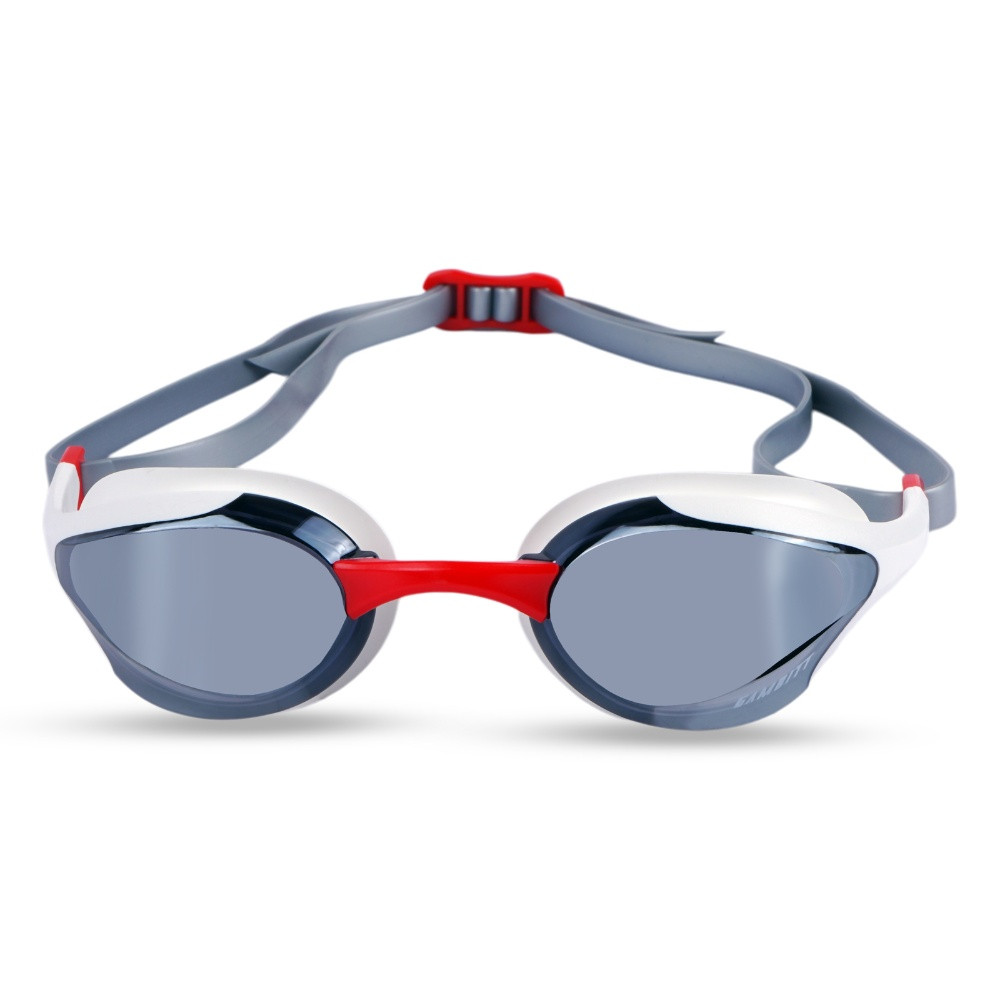
Why consider itUV and anti-fog lens features are stated on the Gambitt listing for this exact model.
Model detailJet: curved panoramic lens and anti-fog / UV features listed. Dry-fit the seal, then test visibility in a controlled swim.
Indian use scenarioPool preparation and an organiser-permitted open-water rehearsal before Goa, Chennai or Bergman triathlon.
₹1,999
Why consider itTraining sock with arch/ankle coverage and durable stretch yarns.
Indian use scenarioRepeated HYROX preparation sessions in Mumbai with running, sled work and lunges.
₹4,799
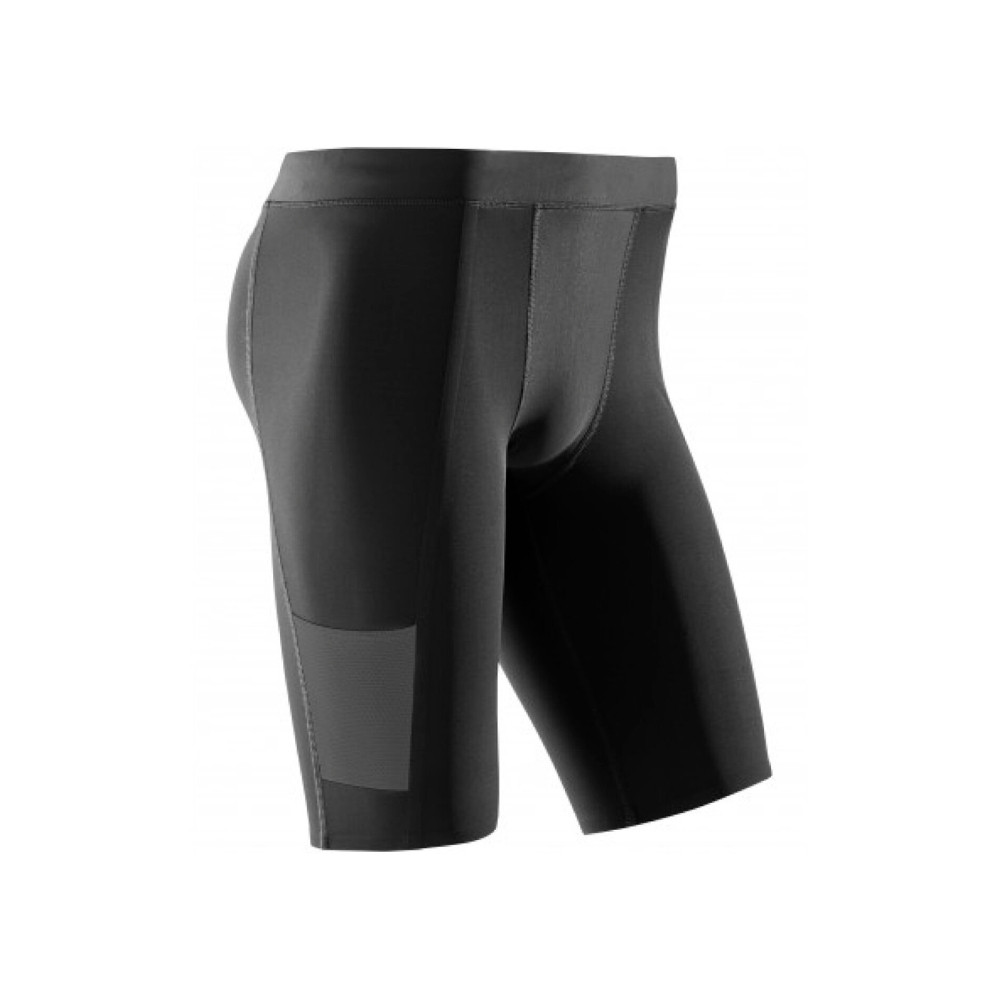
Why consider itFlat seams, an anatomical fit and close-to-body side pockets.
Indian use scenarioHYROX preparation in Mumbai or Bengaluru with a phone or small essentials during warm-up.
₹1,999
Why consider itA running compression knit with an anatomical foot fit. Listed generation: The Run 5.0; cuff: mid-cut.
Indian use scenarioConsider for Chennai road training or a Goa brick run. The cuff sits above the shoe collar; test it with your actual footwear.
₹11,999
Why consider itRunning vest with 1 L listed liquid capacity; check the supplied flask configuration on the exact variant.
Indian use scenarioA supported Indian trail or long road training run between confirmed refill points.
₹4,399
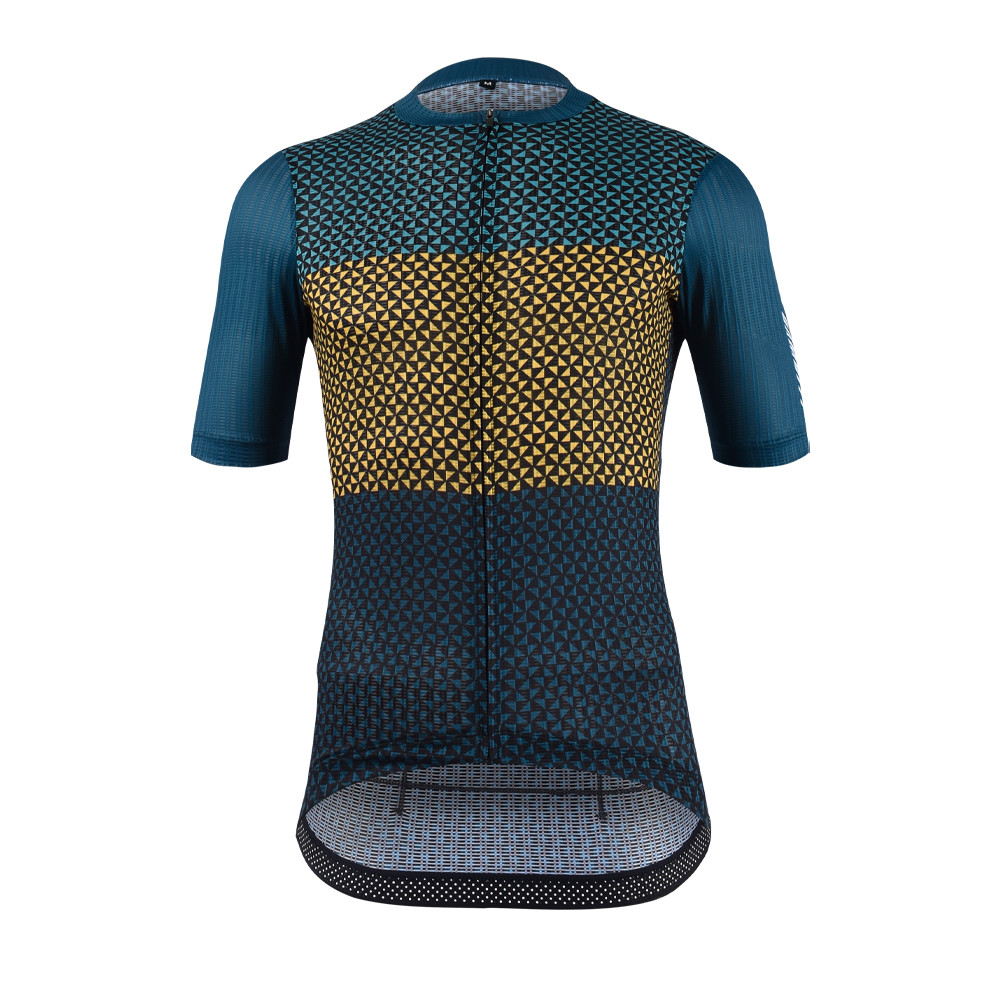
Why consider itA Gambitt model positioned for a closer cycling fit; check the specific generation and construction.
Model detailScalata: Maestrale mesh, Air Skein sleeves, full zip and three rear pockets. A warm Pune climb is a useful fit rehearsal.
Indian use scenarioBengaluru club-race preparation or Pune hill rides with the fit tested in the drops and on the saddle.
₹1,999
Why consider itDouble-wall Podium Chill cycling bottle in the labelled capacity.
Indian use scenarioA hot Indian road ride or triathlon bike rehearsal with secure bottle cages and planned refill points.
₹5,499
Why consider itOmega alloy compact bar: official range specifies a 31.8 mm clamp, 75 mm reach and 120 mm drop; verify the listed width/version.
Model detailOfficial Omega compact geometry: 31.8 mm clamp, 75 mm reach, 120 mm drop. Local width/version must match.
Indian use scenarioA Pune hill route or long BRM: choose width, reach and drop that let you brake comfortably on the descent.
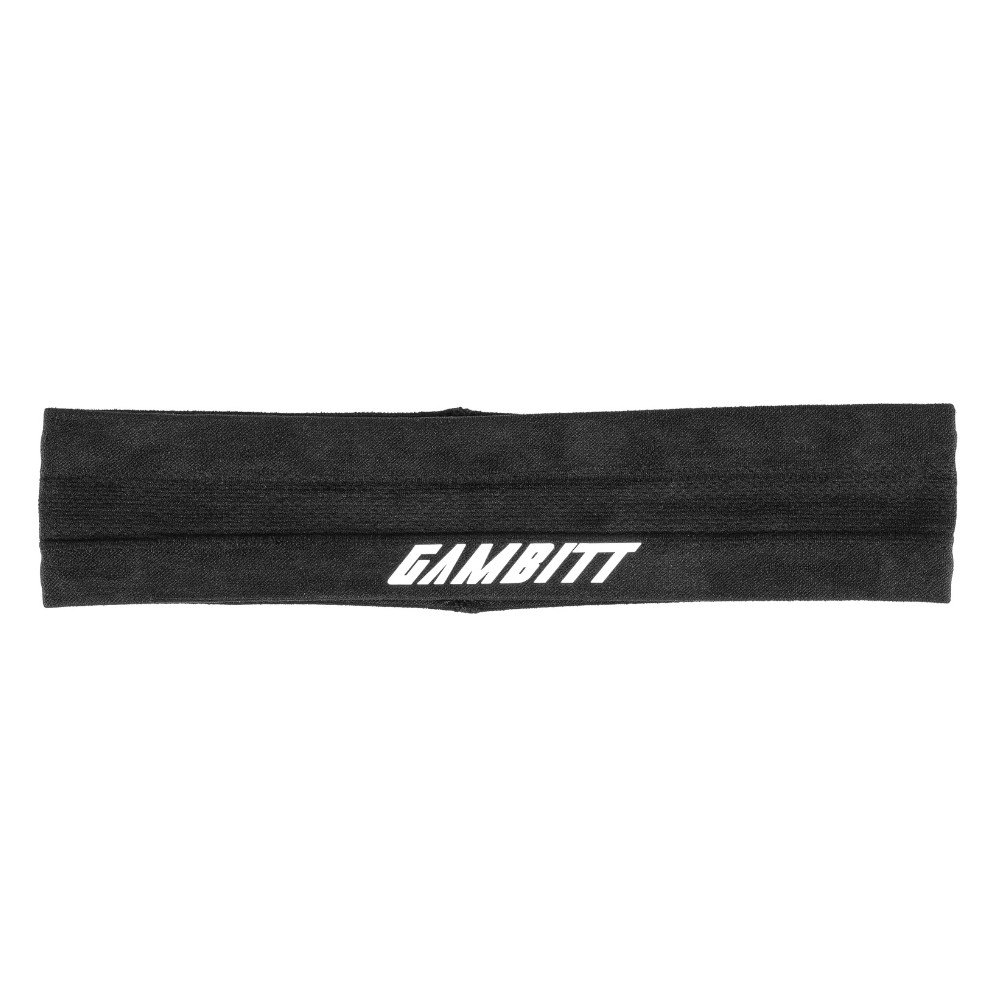
₹999
Why consider itDri-Tech or Ultralight headband for managing hair and sweat in the named construction.
Indian use scenarioHot Indian training days or indoor HYROX preparation; trial cooling feel and slippage in humid conditions.
Prices are the fetched listing prices, not a live quote. Product links are the source for specifications, variants, current stock and checkout. “Shared / fit-specific” does not promise one-size-fits-all. Support and recovery products are intentionally separate from routine event recommendations.
Men and women should use the same decision sequence: intended discipline → measured fit → heat/terrain → long-session rehearsal. Choose garments, bra support, helmet shape, vest torso fit and swim seals individually. A different colour is not a substitute for a verified fit.
Nuwod suggestions for choosing equipment across cycling, running, triathlon and hybrid fitness.